Common Causes of Settling in Commercial Concrete Slabs
People seeking concrete slab mudjacking often want to stabilize and level uneven commercial slabs, and local contractors can provide expert solutions to address common causes of settling.
Understanding the common causes of settling in commercial concrete slabs is essential for property owners who want to maintain safe and functional outdoor spaces. Settling can lead to uneven surfaces, cracks, and potential trip hazards, which may impact the usability and appearance of parking lots, walkways, or loading docks. Property owners in the area often explore this topic to better understand why their slabs might be shifting and to determine the best solutions for restoring stability. Local contractors who specialize in concrete slab mudjacking are well-equipped to address these issues, providing practical repair options that can help prevent further settling and extend the lifespan of existing slabs.
Many factors contribute to the common causes of settling in commercial concrete slabs, including soil conditions, improper initial installation, or changes in moisture levels beneath the surface. When these issues arise, mudjacking services offered by trusted local service providers can be an effective way to lift and level uneven slabs without the need for complete replacement. By understanding the root causes, property owners can make informed decisions about repairs and work with experienced contractors who can restore their concrete surfaces efficiently and reliably. Keep reading to learn more about how these causes develop and how local pros can assist in fixing them.
- Commercial parking lot slabs - when uneven settling causes trip hazards or drainage issues, local contractors often perform mudjacking to restore stability.
- Warehouse flooring - persistent cracks or uneven surfaces in large commercial spaces may require mudjacking to address underlying settlement problems.
- Sidewalk and walkway slabs - when concrete sections sink or shift due to soil movement, local pros use mudjacking to lift and level the surfaces.
- Loading dock areas - uneven concrete in loading zones can disrupt operations; local service providers typically use mudjacking to correct these issues.
- Retail store entrances - sinking or uneven concrete at entry points often results from soil settling, and local pros can perform mudjacking to improve safety and appearance.
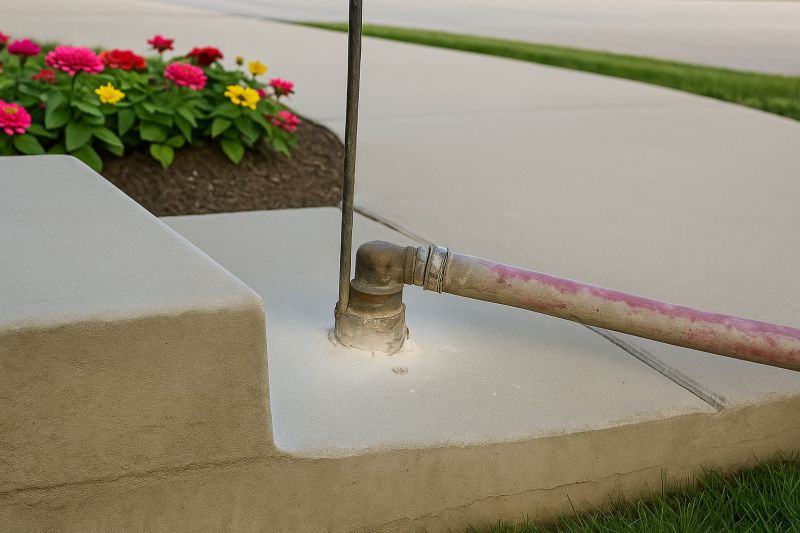
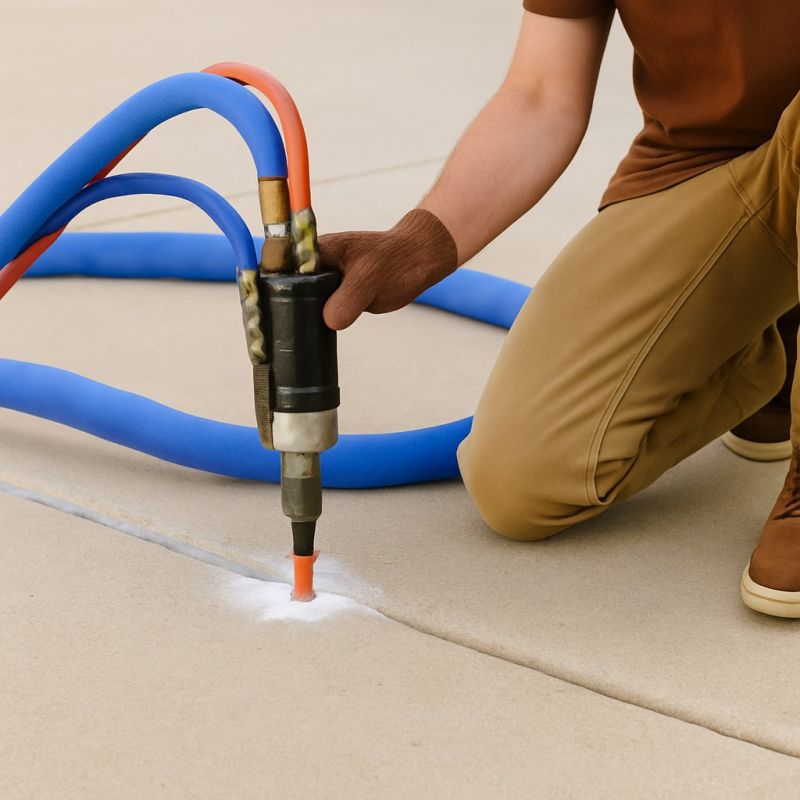
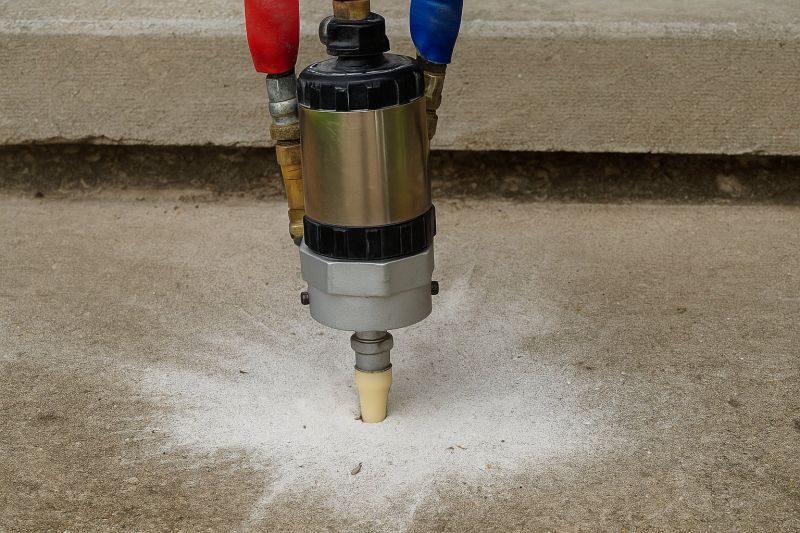
When people search for common causes of settling in commercial concrete slabs, they are often trying to understand why their existing slabs are showing signs of unevenness, cracking, or sinking. Settling occurs when the ground beneath the slab shifts or compresses over time, leading to a loss of support and resulting in an uneven surface. This issue is particularly relevant for property owners who rely on concrete slabs for parking lots, loading docks, walkways, or outdoor work areas. Understanding these causes helps property managers and business owners determine whether repairs are needed and what kind of solutions to consider, such as mudjacking or slab leveling services offered by local contractors.
The problems associated with settling in commercial concrete slabs can impact both safety and functionality. Uneven surfaces can create trip hazards for employees, customers, or visitors, and may also cause damage to vehicles or equipment. In addition, cracks and unevenness can lead to water pooling or infiltration, which can further deteriorate the concrete and underlying soil. When planning repairs or preventive measures, property owners often consider whether the settling is a one-time issue or part of ongoing ground movement. This understanding influences whether a simple slab leveling treatment or more extensive foundation work is necessary, and local service providers who specialize in mudjacking are often called upon to address these specific concerns.
Settling in commercial concrete slabs is commonly linked to the properties of the soil beneath the slab. Clay soils, for example, tend to expand and contract with moisture changes, which can cause shifting and uneven support. Similarly, areas with poor or inadequate compaction during initial construction may experience future settling as the soil consolidates over time. Organic soils, such as those containing decomposed plant matter, can also lead to uneven ground support as they decompose and settle. Understanding the soil conditions that contribute to settling helps property owners and contractors identify the root causes and develop effective repair strategies, which often involve stabilizing the ground with techniques like mudjacking to restore the slab’s levelness.
Other factors that contribute to settling in commercial concrete slabs include improper drainage and changes in moisture levels. Excess water from rain or irrigation can wash away fine soil particles or cause soil expansion, leading to shifting and sinking of the slab. Conversely, drought conditions can cause soils to shrink and lose support beneath the concrete. Construction errors, such as insufficient subgrade preparation or the use of unsuitable fill materials, can also predispose slabs to uneven settling over time. Recognizing these common causes allows property owners to work with local contractors who can evaluate the site conditions and recommend appropriate solutions, including mudjacking, to correct existing issues and prevent future settlement problems.
Foundation Repair Projects - skills in assessing soil stability and addressing ground movement are essential for both foundation repairs and correcting settling in concrete slabs.
Pavement Resurfacing - techniques used in asphalt and concrete resurfacing share planning and surface preparation skills relevant to slab leveling and mudjacking.
Structural Reinforcement - understanding load distribution and soil support helps in projects that involve stabilizing and supporting commercial concrete slabs.
Sidewalk and Driveway Replacement - experience in removing and installing concrete surfaces translates to expertise in lifting and leveling existing slabs.
Soil Stabilization Services - knowledge of soil conditions and treatment methods directly relates to preventing and correcting settling issues in concrete slabs.
Underground Utility Installation - planning and executing underground work requires skills in managing soil and ground conditions similar to those needed for slab stabilization.
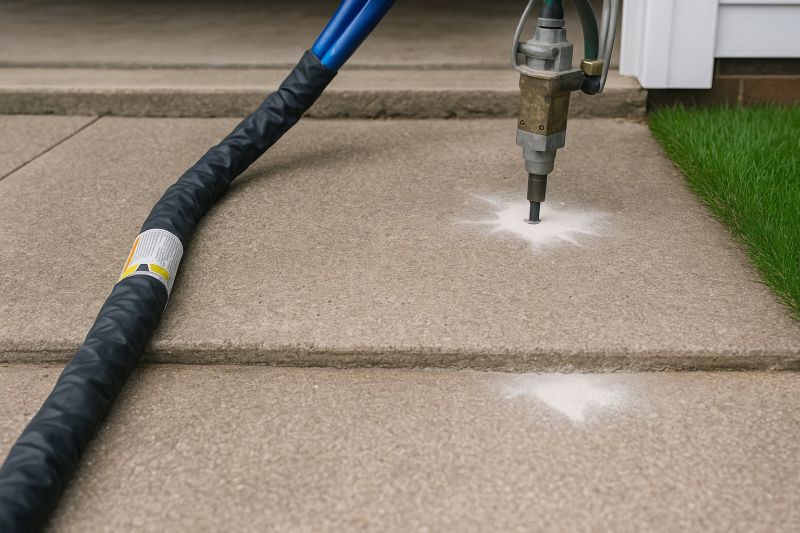
When comparing service providers for concrete slab mudjacking, it’s important to consider their experience with similar projects. Contractors who have handled commercial concrete slabs that experienced settling due to common causes-such as soil erosion, poor compaction, or underlying ground movement-are more likely to understand the nuances involved. An experienced contractor can assess the specific conditions that contributed to the settling and recommend appropriate solutions, ensuring the repair addresses the root causes and provides a stable, long-lasting result.
Clear communication of expectations is another key factor when choosing local contractors. Reliable service providers should be able to explain the mudjacking process in straightforward terms, outlining what the work will involve, potential limitations, and what outcomes are realistic. This transparency helps prevent misunderstandings and ensures that the project scope aligns with the homeowner’s needs. Well-defined expectations also make it easier to evaluate proposals and compare different contractors based on the level of detail and professionalism they offer.
Reputable references and a history of good communication are essential indicators of a trustworthy contractor. Seeking out local service providers with positive feedback from previous clients can provide insight into their reliability and quality of work. Good communication throughout the project-such as prompt responses to questions and updates on progress-can significantly impact the overall experience. When selecting a contractor for addressing common causes of settling in commercial concrete slabs, prioritizing those with strong references and clear, open communication can lead to a smoother, more successful repair process.
Property owners often search for common causes of settling in commercial concrete slabs when they are planning practical projects around their homes and businesses. Local pros provide Concrete Slab Mudjacking services for everyday jobs and straightforward project options.
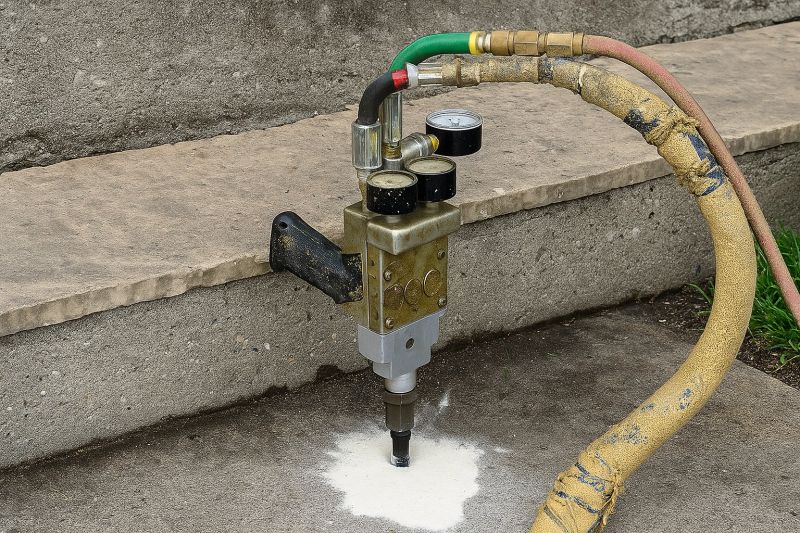
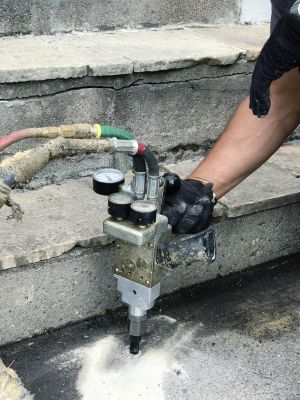
Understanding the common causes of settling in commercial concrete slabs can help property owners recognize potential issues early. One frequent reason is inadequate soil preparation before pouring the slab, which can lead to uneven support and future sinking. Additionally, poor compaction of the underlying soil or fill material may result in voids or shifting over time. Heavy loads or frequent traffic can also contribute to gradual settling, especially if the slab wasn't designed to handle such stresses. When settling occurs, local contractors who specialize in concrete slab mudjacking can assess the situation and provide effective solutions to restore stability and levelness.
Other factors that often lead to settling include changes in moisture levels beneath the slab, such as from poor drainage or water infiltration, which can weaken the soil support. Soil type plays a role as well; areas with expansive clay or loose fill are more prone to shifting. Recognizing these common causes can prompt property owners to seek assistance from experienced service providers who offer mudjacking and other stabilization methods. Connecting with local contractors can help address settling issues promptly, ensuring the longevity and safety of commercial concrete slabs.
What are common causes of settling in commercial concrete slabs? Common causes include improper soil preparation, inadequate compaction, and soil erosion beneath the slab, which can lead to uneven settling over time.
How does poor soil quality contribute to concrete slab settling? Poor soil quality, such as clay or loose fill, can shift or compress under the weight of the slab, causing it to settle unevenly and necessitate mudjacking services from local contractors.
Can moisture issues cause settling in commercial concrete slabs? Yes, excessive moisture or poor drainage can weaken the soil supporting the slab, leading to soil movement and resulting in settling problems that local pros can address through stabilization techniques.
How does improper installation affect the stability of a concrete slab? If a concrete slab is not installed on a properly prepared and compacted base, it can settle unevenly as the underlying soil shifts or compresses, which local contractors can correct with mudjacking.
Why do soil erosion and washout lead to settling in commercial concrete slabs? Soil erosion removes or loosens the soil beneath the slab, creating voids that cause the concrete to sink or settle, a problem that local service providers can repair through mudjacking and soil stabilization methods.
Soil instability - understanding how shifting or loose soil beneath the slab causes settling can help property owners plan for proper soil stabilization with the help of local contractors.
Poor drainage - recognizing drainage issues that lead to water accumulation under the slab allows property owners to implement effective grading or waterproofing solutions with local service providers.
Inadequate subgrade preparation - knowing the importance of proper subgrade compaction can guide property owners in ensuring a stable foundation before pouring concrete, with assistance from local pros.
Heavy loads or repeated traffic - being aware of how excessive weight or frequent use contributes to settling helps property owners consider reinforcement options with local contractors to maintain slab integrity.
If you are thinking about common causes of settling in commercial concrete slabs for a property, this guide is meant to help you understand this topic, the typical project types, and how different options might fit your plans.
When you are ready, you can use the quote form on this page to share a few details about your project. From there, local pros can review the basics and follow up with options that match what you have in mind.